
I’m looking at PM certs right now, trying to be honest about what’s worth the time and what’s just noise for the kind of roles I want next.
Here’s a decision I’ve made, and why:
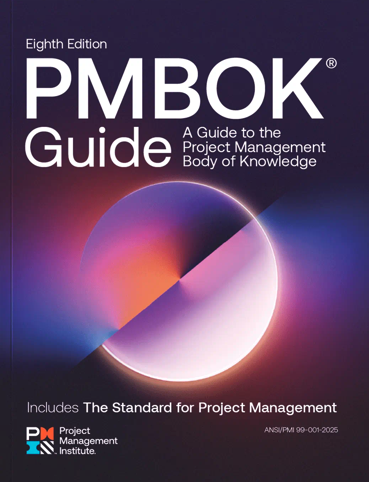
I’m waiting to take the PMP until the PMBOK 8 direction is clearly in the exam.
The core reason: I don’t want to study for a test that’s changing under me
The PMP exam is based on PMI’s Exam Content Outline (ECO). The ECO is what the test is actually built from. The PMBOK guides are reference material, but the exam isn’t tied to one specific edition.
- ECO for the July 2026 update:
New PMP Examination Content Outline – 2026
When PMI publishes a new PMBOK, the exam doesn’t flip overnight. There’s a transition window, and PMI updates the ECO on its own timeline. They’ve already published a new ECO for July 2026, which points the exam toward PMBOK 8, but also makes it clear that the real cutoff is the ECO update date, not the book release.
So this isn’t about being precious over editions.
It’s about not putting months of effort into one baseline and then walking into another.
Quick clarity on PMBOK 7 vs PMBOK 8
PMBOK 7 was where PMI moved hard toward principles and broader “how to think” guidance instead of a strict process checklist. It’s the edition that pushed flexibility and value delivery the most.
- Good comparison overview:
PMBOK 6 vs 7 vs 8 Comparison
PMBOK 8 keeps that principles-first base, but adds back more process guidance. Not in a rigid “follow these steps” way, more like “here are the common practices and how to tailor them.” It also bakes in more about hybrid delivery, modern tools, and AI.
- PMI standards hub:
PMBOK Guide Standards
That combo is closer to how I already work: lead with principles, then pull in process where it earns its keep.
Why PMBOK 8 fits how I work
Three things shape how I run programs:
1. Principles before paperwork.
I care more about whether the work is real and moving than whether it checks every box.
2. Hybrid is normal.
Most programs aren’t pure Scrum or pure Waterfall. They’re built around reality: the team, the product, the constraints.
3. Tailoring is the job.
I don’t want a cert that rewards memorizing a method. I want one that rewards choosing and adapting methods on purpose.
PMBOK 8 seems to be pushing in that direction. That’s why I’m comfortable waiting for the exam to catch up to it.
What I’m focusing on now
Waiting on PMP doesn’t mean waiting on growth. Right now I’m putting my time into things that matter no matter what edition PMI is on:
- Cloud, AI, and Agile fluency
- Keeping risk and dependencies visible in real work
- Sharpening delivery habits I can carry into any org
When the PMBOK 8 baseline is clearly settled into the exam, I’ll take PMP then, with a cleaner runway and less wasted prep.
